Cluster House Agent in Singapore
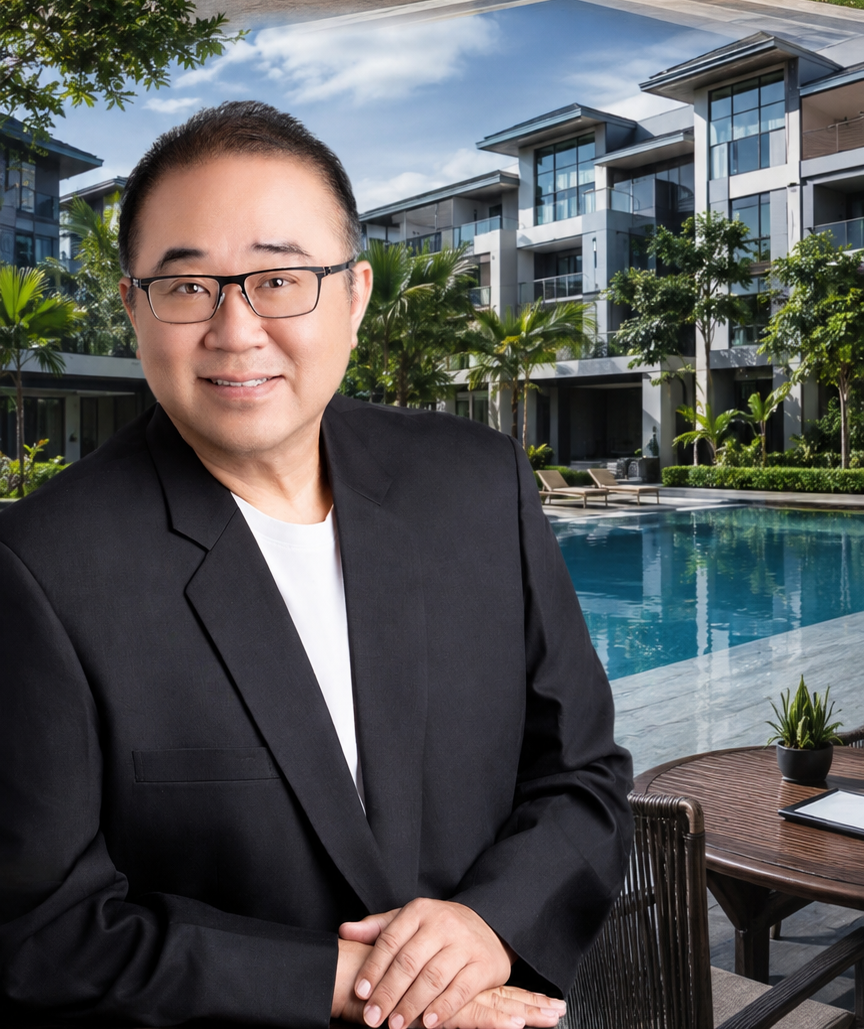
Most buyers land on cluster housing by accident. They went looking for landed property, found the price out of reach, and stumbled onto something in between. That in-between comes with its own rules: different ABSD treatment, an MCST managing your estate instead of you, and a resale market that behaves nothing like standalone landed or a condo. A property agent in Singapore should walk you through these differences clearly, not lump cluster housing in with regular landed and hope you don't ask questions. Colin Choo, PropNex Associate District Director with 14 years and close to 1,000 transactions, brings that same straight-talking approach to cluster house conversations. As a cluster house agent in Singapore, and more broadly as a property consultant in Singapore, he'll tell you plainly whether this property type actually fits what you're looking for.
What a Cluster House Actually Is
Officially called strata-titled landed housing. You own your unit, terrace, semi-detached, or bungalow, but the land underneath the whole development is shared, and a Management Corporation Strata Title runs the estate the way a condo's MCST does.
Practically, that means you get a private ground floor, sometimes your own garden, and the general feel of landed living, plus shared facilities like a pool, gym, and landscaped grounds you'd normally only find in a condo. No personal gardener or facade repainting schedule to manage yourself; the MCST handles it.
Weighing a cluster house against income-generating property instead? As a Commercial Property Consultant in Singapore, Colin also helps buyers compare shophouses and commercial units against residential options like this one, on yield, financing, and long-term exit.
Some buyers land here chasing yield, not lifestyle. As a Property Investment Agent in Singapore, Colin runs the numbers on rental demand and resale liquidity for cluster houses too, so you're buying for returns, not just the pool and gym.
Cluster House vs Landed vs Condo
Here's how the three actually stack up, side by side.
| Criteria | Cluster House | Standalone Landed | Condo |
|---|---|---|---|
| Land ownership | Shared, strata title | Full, own title | None |
| Management | MCST, professionally managed | Self-managed | MCST, professionally managed |
| Facilities | Pool, gym, shared grounds | None, unless self-built | Pool, gym, shared grounds |
| Typical price | S$2.5M to S$12M+ | Often 15 to 25% higher than cluster | Varies widely by segment |
| Foreigner eligibility | Allowed, subject to ABSD | Restricted, needs approval | Allowed, subject to ABSD |
Note: prices and ABSD figures reflect current published ranges and are subject to change. Confirm exact figures with IRAS or SLA before committing to a purchase.
Why the Eligibility Rules Are Different Here
This is the part most buyers get wrong. Cluster houses aren't classified as restricted residential property under the Residential Property Act, unlike standalone landed properties. That means Permanent Residents can buy one freely without SLA approval, and foreigners can buy too, subject to ABSD.
On ABSD specifically: Singapore Citizens pay 0% on a first purchase, Permanent Residents pay 5% on a first purchase and 30% on a second, and foreigners pay 60%, the same rate that applies to any private residential property. That's a meaningfully different profile than standalone landed, where foreign ownership is restricted outright in most cases.
What It Actually Costs
Prices generally run from around S$2.5 million for a cluster terrace in OCR or RCR locations, up to S$12 million or more for a cluster bungalow in a prime district. As a rough benchmark, cluster houses typically price 15 to 25% below an equivalent standalone landed property in the same area, which is exactly why many buyers end up here instead.
Monthly MCST maintenance runs roughly S$300 to S$700 for cluster terraces and S$500 to S$1,200 for cluster bungalows, covering the pool, gym, landscaping, and security. Factor this in properly; it's an ongoing cost that standalone landed owners don't have.
What Working With Colin Looks Like
- 01
Understand your goal
Space for the family, an investment, or a step toward standalone landed later, the right development depends on which one it is.
- 02
Check your eligibility
Citizenship, PR status, or foreign buyer position, confirmed before you fall for a specific unit.
- 03
Compare the real alternatives
Cluster house, standalone landed, or condo, weighed honestly against your budget.
- 04
Review the development
MCST fees, facility quality, and resale history before you commit.
- 05
Handle the transaction
Viewings, negotiation, and paperwork managed properly through to completion.
Cluster House Stories
Verified client stories specific to cluster house transactions will be added here as they come in. For now, see what buyers and sellers across HDB, condo, and landed say about Colin on his testimonials page.
Questions Colin Gets Asked
Can foreigners buy a cluster house in Singapore?+
Yes, unlike standalone landed property, which is largely restricted. Foreigners can buy a cluster house, but pay 60% ABSD, the same rate as any private residential purchase.
How much ABSD will I pay on a cluster house?+
Singapore Citizens pay 0% on a first purchase. Permanent Residents pay 5% on a first purchase, 30% on a second. Foreigners pay 60% regardless of how many properties they own. Confirm the exact figure with IRAS before committing.
What are typical MCST fees for a cluster house?+
Roughly S$300 to S$700 a month for a cluster terrace, and S$500 to S$1,200 for a cluster bungalow. It covers shared facilities and estate maintenance, and it's worth budgeting for as an ongoing cost, not a one-time fee.
Is a cluster house a good alternative to a standalone landed house?+
For many buyers, yes. You get most of the landed feel, private ground floor, more space, at roughly 15 to 25% below standalone landed prices, plus condo-style facilities. The trade-off is shared land and MCST rules on renovations and alterations.
Is it hard to resell a cluster house?+
It's a smaller, less liquid market than either condos or standalone landed. That's not a reason to avoid it, but it's worth knowing going in: expect a longer marketing period than a typical condo resale, and be realistic about your exit timeline before you buy.
Before You Decide, Talk to Colin
Weighing a cluster house against a standalone landed house or a condo? Talk to Colin before you commit to a unit. As a cluster house agent in Singapore who explains the real trade-offs, not just the sales pitch, he'll help you figure out if this property type actually fits what you need.