How to Buy a Landed Property in Singapore: Complete Guide
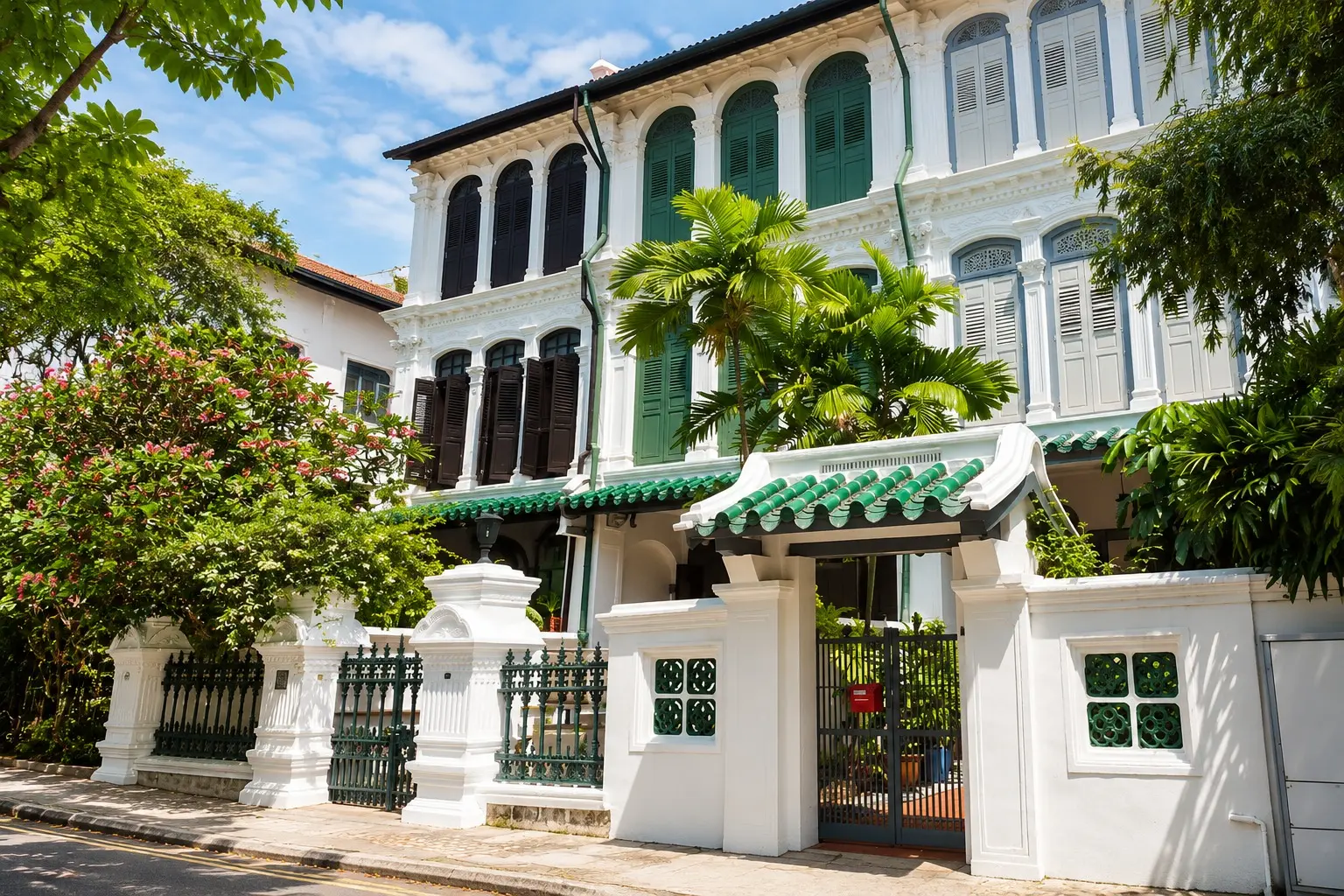
Deciding to buy a landed property in Singapore is one of the biggest financial decisions a family can make. The prices start from around S$2.5 million. Eligibility rules differ significantly depending on whether you are a Citizen, a Permanent Resident, or a foreign buyer. Stamp duties can add hundreds of thousands of dollars to the upfront cost. And the due diligence required before committing is considerably more involved than a standard condo purchase.
Most of the expensive mistakes happen before buyers even shortlist a property. They view homes they are not eligible to buy. They overlook ABSD. They do not check what CPF can actually cover. They skip title searches and URA restrictions. By the time these gaps surface, an option fee has already been paid.
This guide walks through everything you need to understand before you take the first step: eligibility, property types, pricing, costs, financing, CPF, the buying process, and what to inspect before you sign anything. If you want an experienced professional to walk you through the numbers for your specific situation, Colin Choo Property provides honest, no-pressure guidance across HDB, condo, and landed property in Singapore.
Buying Landed Property in Singapore: At a Glance
Before getting into the details, here is a quick summary of the key points every buyer needs to know.
| Topic | Quick Answer |
|---|---|
| Who can buy | Singapore Citizens freely; PRs need SLA approval; foreigners face strict restrictions |
| Entry price | From around S$2.5M for terrace houses; S$4M+ for semi-D; S$7M+ for bungalows |
| ABSD | Citizens 0% first property, 20% second; PRs 5% first, 30% second; Foreigners 60% |
| Financing | Bank loan only; LTV up to 75%; TDSR 55% applies; minimum 5% cash |
| CPF usage | OA savings can be used subject to BRS and lease conditions |
| SLA approval | Required for PRs and foreigners; apply before exercising any OTP |
| Buying process | 10 steps from eligibility check to key collection |
What Is Landed Property in Singapore?
Landed property in Singapore refers to any residential property where the owner holds title to both the building and the land beneath it. This distinguishes it from a condominium, where buyers own a unit within a development built on shared land; a strata title, not a land title.
This distinction matters practically. Landed owners can rebuild, carry out additions and alterations (A&A), and make structural decisions on their own timeline, within URA guidelines. Condo owners cannot. That flexibility, combined with genuine land ownership in one of the world's most land-scarce cities, is what drives the premium for landed homes in Singapore.
Landed property is available in both freehold and leasehold tenures. Freehold means the land is owned indefinitely. Leasehold, most commonly 99 years, means ownership reverts to the state at the end of the lease. Freehold landed property trades at a premium, particularly for buyers with a long-term or generational holding horizon.
Supply is permanently constrained. Singapore's total land area is fixed, and the number of landed properties in Singapore cannot expand meaningfully. That scarcity, combined with consistent demand from Citizens and eligible PRs, underpins the long-term price trajectory of the segment.
Types of Landed Property in Singapore
Understanding the different types helps you identify which category fits your budget, your space requirements, and your eligibility before you start viewing.
Inter-Terrace House
An inter-terrace house shares walls on both sides with neighbouring units. It is the most affordable entry point into landed property in Singapore, typically starting from around S$2.5 million. Plot sizes are generally smaller than other landed types, but full land ownership applies. A good starting point for buyers entering the landed market for the first time.
Corner Terrace House
A corner terrace shares a wall on one side only. The corner position gives the owner a larger plot, better natural light, and side access; advantages that typically push prices to around S$3 million and above. More space and flexibility than an inter-terrace, at a lower price point than a semi-D.
Semi-Detached House
A semi-detached house shares one common boundary wall with a single neighbouring unit. It offers the best balance of space, privacy, and price in the landed segment; more room than a terrace, more accessible than a bungalow. Prices typically start from around S$4 million depending on district, land size, and tenure.
Detached Bungalow
A detached bungalow shares no walls with any neighbouring property. It offers maximum privacy, the largest land area among standard landed types, and complete design freedom within URA guidelines. Entry prices typically start from around S$7 million, with significant variation by district and plot size.
Good Class Bungalow (GCB)
Good Class Bungalows are the most exclusive residential property category in Singapore. They require a minimum plot size of 1,400 sqm, share no walls, and are restricted to Singapore Citizens only; PRs and foreigners cannot purchase GCBs regardless of SLA application. Entry prices typically start from S$20 million and above.
Cluster House (Strata Landed)
Cluster houses look and feel like landed property but are classified under strata title; similar to a condominium. Each owner holds a strata title to their unit, with shared land beneath the development. Because of this classification, PRs can purchase cluster houses without requiring SLA approval, making them the most accessible landed-style option for PR buyers in Singapore. Entry prices typically start from around S$2 million.
Who Can Buy Landed Property in Singapore?
Eligibility is the first thing to confirm before you view a single property. The rules differ significantly depending on your residency status.
Singapore Citizens
Singapore Citizens can purchase any type of landed residential property in Singapore without requiring government approval. There are no nationality-based restrictions; the relevant considerations are financial, not eligibility-based.
Singapore Permanent Residents
Singapore PRs must obtain approval from the Singapore Land Authority (SLA) under the Residential Property Act before purchasing any landed property on the Singapore mainland. This includes terrace houses, semi-Ds, and bungalows.
SLA approval is assessed case by case. It is generally considered more favourably where the PR has held their status for at least five years and can demonstrate meaningful economic contribution to Singapore. Approval is not automatic and should never be assumed.
Good Class Bungalows are completely off-limits for PRs regardless of SLA application status. And as noted above, cluster houses are the exception: PRs can purchase these without SLA approval, making buying a cluster house the most straightforward option for PRs looking for landed-style property in Singapore.
Do not exercise an Option to Purchase before receiving written SLA approval. The consequences of doing so can be severe.
Foreign Buyers
Foreign buyers who are not Singapore PRs face the strictest restrictions. Landed residential property on the Singapore mainland is classified as restricted property under the Residential Property Act.
Foreigners must apply to the Land Dealings Approval Unit (LDAU) before purchasing mainland landed property. In practice, this approval is rarely granted; it is generally reserved for cases involving exceptional and sustained economic contribution to Singapore.
Sentosa Cove is the designated area where foreigners may purchase landed property with SLA approval. Standard ABSD rates still apply. For most foreign buyers, mainland landed property is effectively inaccessible. Always verify current eligibility requirements with the SLA before taking any steps. Rules under the Residential Property Act have been updated before and can change.
How Much Does Landed Property Cost in Singapore?
Prices vary considerably depending on property type, location, tenure, land size, and condition. Rather than quoting specific figures that can become outdated, it is more useful to understand the key factors that drive pricing and where to verify current data.
- Location and district: Prime districts (10, 11) command the highest prices. Districts 15, 19, and 20 offer more accessible entry points while still attracting strong buyer demand.
- Land size and plot frontage: Larger plots command higher absolute prices. URA's minimum plot requirements also vary by landed type.
- Tenure: Freehold generally trades at a premium over leasehold, particularly for buyers with a long-term holding horizon.
- Condition and age: Newer or recently rebuilt properties command higher prices. Older homes on good plots have their own pricing logic based on redevelopment potential.
- Rebuild and A&A potential: Plot ratio, road buffer, and URA development parameters all affect what can be done with the land; and therefore its value.
For current transaction data, use URA's REALIS database. Base your budget on verified recent comparable transactions, not portal asking prices.
What Is the Cheapest Landed Property You Can Buy in Singapore?
For buyers entering the landed market for the first time, inter-terrace houses in non-prime districts represent the most accessible starting point. These typically share walls on both sides and sit on smaller plots, but they offer full land ownership at a lower entry cost than semi-Ds or bungalows.
Leasehold terrace houses, particularly those with significant remaining lease, can trade at a meaningful discount to freehold equivalents in the same district. For buyers who are not focused on multi-generational holding, this can make leasehold options worth considering.
Cluster houses offer another route into landed-style living at lower price points. Classified under strata title, they typically start from around S$2 million and are accessible to PRs without SLA approval. The trade-off is that cluster house owners do not own the land beneath their unit; it is shared land under a strata arrangement, similar to a condo.
Whatever the entry point, "cheapest" should never be the only consideration. A short remaining lease on a leasehold property affects CPF usage, financing, and future resale potential. An older building with structural issues can create unexpected costs. Always evaluate the full picture before prioritising price alone.
Additional Costs When You Buy a Landed Property in Singapore
The purchase price is only one part of the total commitment. For landed property, the additional costs are significant, and for second-property buyers, they can be very substantial.
Buyer's Stamp Duty (BSD)
BSD applies to all buyers and is calculated on the higher of the purchase price or market value. The rates are tiered:
- 1% on the first S$180,000
- 2% on the next S$180,000
- 3% on the next S$640,000
- 4% on the next S$500,000
- 5% on the next S$1,500,000
- 6% on amounts above S$3,000,000
On a S$3 million landed property, BSD alone is approximately S$99,600. Verify current rates with IRAS before any purchase.
Additional Buyer's Stamp Duty (ABSD)
ABSD applies on top of BSD and depends on your citizenship and how many residential properties you already own.
| Buyer Profile | First Property | Second Property |
|---|---|---|
| Singapore Citizen | 0% | 20% |
| Singapore PR | 5% | 30% |
| Foreigner | 60% | 60% |
A Singapore Citizen buying a S$3 million landed property as their second residential property pays 20% ABSD; S$600,000; on top of BSD. Total stamp duty in this scenario exceeds S$699,600, payable in cash within 14 days of exercising the OTP.
Always verify current ABSD rates with IRAS before committing. Rates have changed before and may change again. For a full breakdown of ABSD rules and remission conditions, read the article Can You Buy a Second Property in Singapore? ABSD & Financing.
Other Costs to Budget For
- Legal fees: Typically S$3,000 to S$8,000 for a landed transaction depending on complexity.
- Valuation fees: Required by the bank for loan assessment.
- Renovation or rebuild costs: Can range from tens of thousands to several million depending on the scope.
- Property tax: Annual tax based on the Annual Value; higher if not owner-occupied.
- Ongoing maintenance: Gardens, external walls, drainage, and the building structure all require regular attention.
How to Finance a Landed Property in Singapore
Landed property is financed exclusively through bank loans. There is no HDB concessionary loan option, and the financing rules are governed by MAS guidelines.
- Loan-to-Value (LTV): Up to 75% for a first housing loan with no outstanding loans. If you have an existing mortgage, the applicable LTV drops. Confirm your exact position with your bank.
- Total Debt Servicing Ratio (TDSR): All existing monthly debt obligations are factored in. Total monthly repayments cannot exceed 55% of gross monthly income.
- Minimum 5% cash down payment: This is a hard rule. At least 5% of the purchase price must come from cash; not CPF. On a S$3 million property, that is S$150,000 in cash before anything else.
- Loan tenure: Typically up to 30 years, subject to the youngest borrower's age at loan maturity. Banks apply their own internal criteria.
- Interest rate considerations: Higher rate environments increase your monthly commitment and reduce your borrowing capacity under TDSR.
Get an in-principle loan approval from your bank before you start shortlisting properties. Without it, you cannot budget accurately or negotiate from an informed position.
Can You Use CPF to Buy a Landed Property in Singapore?
Yes; CPF Ordinary Account (OA) savings can be used toward a landed property purchase, subject to conditions.
- Basic Retirement Sum (BRS): The prevailing BRS must be set aside in your CPF accounts before excess OA savings can be used for property. The BRS amount changes annually; check the current figure with CPF Board.
- Freehold properties: Generally no lease-related restriction on CPF usage, as long as the BRS requirement is met.
- Leasehold properties: The remaining lease must cover the youngest buyer to at least age 95 for full CPF usage to be permitted. Shorter remaining leases restrict how much CPF can be withdrawn.
- Existing CPF usage: If CPF has already been used for a current property, the available balance for a subsequent purchase is reduced.
Do not plan your purchase around CPF availability without first confirming the exact eligible withdrawal amount with CPF Board. The difference between your account balance and what is actually available for this specific property can be significant.
Step-by-Step Process to Buy a Landed Property in Singapore
The process for buying landed property in Singapore has more steps than a standard condo purchase, particularly around eligibility and due diligence. Here is the full sequence:
- 1.Confirm your eligibility. Citizen, PR awaiting SLA approval, or foreign buyer; establish this before anything else. PRs must apply for SLA approval and wait for written confirmation before exercising any OTP.
- 2.Calculate your full costs. Purchase price, BSD, ABSD, legal fees, minimum cash down payment, and ongoing costs. The total upfront commitment is often higher than buyers initially estimate.
- 3.Obtain in-principle loan approval. Confirm your actual borrowing capacity from your bank before you view any property.
- 4.Confirm CPF availability. Log in to your CPF account, check the OA balance after BRS is set aside, and verify any lease-related restrictions for the property type you are considering.
- 5.Shortlist properties. Filter by type, district, tenure, land size, and budget. Focus on properties where the numbers work; not just properties that look good on a portal.
- 6.View and physically inspect. Visit in person. Look at the structure, drainage, garden condition, road access, and neighbouring properties. For older properties, engage a qualified structural engineer or surveyor.
- 7.Check title and URA restrictions. Conduct a title search through your lawyer. Verify plot ratio, road buffer, setback requirements, and what URA permits on the land before making any offer.
- 8.Negotiate from comparable transactions. Use URA REALIS data on recent transactions in the same area. Asking prices on portals are not the same as actual transaction prices.
- 9.Exercise the Option to Purchase (OTP). Once terms are agreed, the OTP is granted. Have your lawyer briefed and your financing confirmed before you sign.
- 10.Pay stamp duty within 14 days. Both BSD and ABSD must be paid to IRAS within 14 days of exercising the OTP. This is a legal requirement with no flexibility.
- 11.Complete the transaction and collect keys. Your lawyer handles the completion process, transfer of title, and coordination with your bank for loan drawdown.
What to Check Before You Buy a Landed Property in Singapore
Landed property requires more thorough due diligence than a condo purchase. These are the checks that matter most:
- Tenure: Freehold or leasehold. For leasehold, confirm the remaining lease and its impact on CPF usage and future resale.
- Land size and plot ratio: Confirm the actual land area and URA's permitted gross floor area if you plan to rebuild or extend.
- Road buffer and setback requirements: These determine how close to the boundary or road you can build and can significantly limit redevelopment options.
- Rebuild or A&A potential: Check what URA permits and whether the existing built-up area is compliant with current rules.
- Structural condition: Older buildings may have hidden structural issues. A qualified surveyor or engineer is worth the fee on any older property.
- Drainage and flood history: Check with PUB and inspect drainage on and around the property. Low-lying areas can be prone to water ingress.
- Title search: Confirm no caveats, mortgages, or encumbrances are registered against the property.
- Future development plans: Check URA's Master Plan for planned changes nearby; new roads, rezoning, or major developments can affect value and liveability.
Expert tips from 14 years of landed transactions:
- Always check the URA development baseline for the specific plot, especially for older properties in established landed estates where floor area allowances may have changed.
- A property with a large plot and an older single-storey house is not always cheap to develop; check road buffer, setback rules, and what the approved gross floor area actually permits before pricing in redevelopment value.
- In a slow-moving landed market, the gap between asking price and transaction price can be significant. Recent REALIS data is the only reliable reference, not what agents quote verbally.
Landed Property vs Condo: Which Should You Buy?
The right choice depends on your budget, your eligibility, your timeline, and what you actually need from the property.
| Landed Property | Condominium | |
|---|---|---|
| Land ownership | Full land title | Strata title only |
| Privacy | High | Lower |
| Entry price | S$2.5M+ | S$700K+ |
| Eligibility | Citizens freely; PRs need SLA approval | Open to Citizens, PRs, and most foreigners |
| Rental yield | Lower | Higher |
| Rebuild potential | Yes; within URA guidelines | No |
| Best for | Long-term family home, generational wealth | Investment, upgrading, flexibility |
Landed property makes most sense for families who want space, genuine land ownership, and a long-term home they can adapt over time. It is not the right choice for buyers focused primarily on rental yield or short-term capital gains; the entry costs and holding costs are too high for that strategy to work in most scenarios.
Is Landed Property a Good Choice for You?
Landed property in Singapore has delivered strong long-term appreciation, supported by permanently constrained supply and consistent demand from Citizens and eligible PRs. But whether it makes sense for you specifically depends on a few honest questions.
Can you genuinely afford the total upfront commitment, including ABSD, BSD, down payment, and legal fees, without stretching your finances into uncomfortable territory?
Are you planning to hold for the long term? The transaction costs of buying and selling landed property are high. Short holding periods rarely make financial sense.
Do you need the space and the flexibility to rebuild or renovate? If a well-located condo meets your actual needs, the simpler ownership structure and lower entry cost may serve you better.
Is your eligibility clear? PRs should confirm SLA approval timelines before making any plans around a specific property or timeline.
Landed property is best approached as a long-term family home or a generational wealth vehicle; not as a short-term investment or a yield play.
Why Work With a Landed Property Agent in Singapore?
The landed market operates differently from the condo market. Not every property agent in Singapore has the specific experience to navigate it properly. Before engaging anyone, confirm they have a genuine track record in landed transactions, not just general property experience.
Here is what an experienced landed property specialist brings to the process:
- Accurate pricing: Using actual URA REALIS transaction data, not portal asking prices or verbal estimates, to assess whether a property is fairly valued.
- Title and URA checks: Knowing what questions to ask, what to look for in a title search, and how to read URA development parameters for a specific plot.
- Negotiation: Landed deals are slower and more bespoke. Effective negotiation requires understanding the seller's position, the property's history, and the most recent comparable transactions.
- Due diligence guidance: Recommending the right structural, drainage, and planning checks before you commit to anything.
- Eligibility and cost clarity: Confirming SLA requirements for PR buyers, calculating full stamp duty exposure, and mapping financing before a single property is viewed.
Working with the wrong agent in a landed transaction can cost far more than any commission savings. Specialist experience in the landed segment specifically matters here; not just general real estate volume.
Need Help Buying a Landed Property in Singapore?
If you are planning to buy a landed property in Singapore or trying to work out whether it makes sense for your situation, the right starting point is a clear, numbers-first conversation before you take any steps.
As an experienced property consultant in Singapore with 14 years in the market and close to 1,000 completed transactions across HDB, condo, and landed property, Colin Choo brings exactly this kind of advisory-first approach to every client. His CEA registration number is R045976G, PropNex Realty Pte Ltd.
Whether you want to understand your eligibility, model the full cost before committing, compare property types and districts, or plan your financing and stamp duty exposure, the conversation starts with your situation, not with a property listing.
Curious what is realistically available for your situation? WhatsApp Colin Choo at Colin Choo Property for a straight, no-pressure conversation.
FAQs
1. Can a PR buy a landed property in Singapore?
+
Yes, but SLA approval is required first. It is assessed case by case and generally favours PRs with at least five years of residency. Cluster houses are the exception; PRs can buy these without SLA approval.
2. Can a foreigner buy a landed property in Singapore?
+
Mainland landed property is restricted. LDAU approval is required and rarely granted. Sentosa Cove is available to foreigners with SLA approval, but full ABSD still applies.
3. What is the cheapest type of landed property in Singapore?
+
Inter-terrace houses in non-prime districts start from around S$2.5 million. Cluster houses can start from S$2 million but involve strata title, not full land ownership.
4. How much ABSD do I pay on a landed property in Singapore?
+
Citizens pay 0% on a first property and 20% on a second. PRs pay 5% on a first property and 30% on a second. Foreigners pay 60% regardless. Always verify current rates with IRAS before committing.
5. Can I use CPF to buy a landed property in Singapore?
+
Yes, subject to setting aside the Basic Retirement Sum. Freehold properties have no lease restrictions. For leasehold, the remaining lease must cover the youngest buyer to age 95. Confirm the exact amount with CPF Board.
6. What is the difference between freehold and leasehold landed property?
+
Freehold means indefinite land ownership. Leasehold, typically 99 years, reverts to the state at expiry. Freehold commands a premium and suits long-term holders. Leasehold offers a lower entry price but affects CPF, financing, and resale value over time.
7. Do I need SLA approval to buy landed property in Singapore?
+
Citizens do not. PRs must obtain written SLA approval before purchasing mainland landed property; cluster houses are the exception. Foreign buyers need LDAU approval, which is rarely granted.
8. Is landed property a good investment in Singapore?
+
It can be for long-term holders. Supply is permanently constrained, which supports appreciation. But entry costs are high, rental yields are lower than condos, and liquidity is limited. It works best as a long-term family home, not a short-term investment.
Free, No-Pressure Consultation
Thinking about buying landed property?
Get a clear read on eligibility, stamp duty, and financing before you view a single property.
WhatsApp Colin Choo