HDB Valuation Singapore: How Much Is Your Flat Worth?
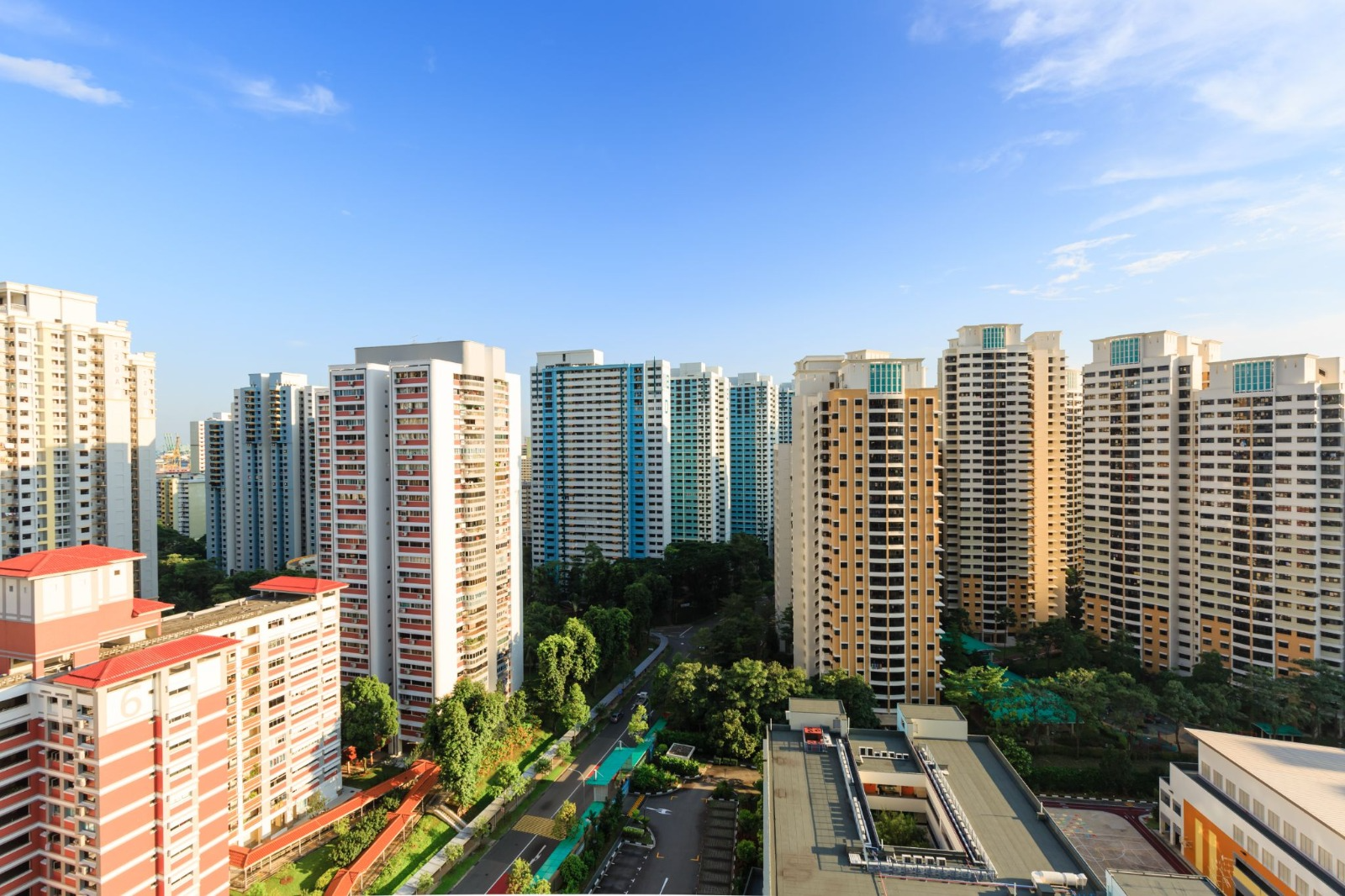
Before you list your HDB flat, before you sit down with an upgrading plan, and before you set an asking price, you need to know what your flat is actually worth. Not what a neighbour sold for two years ago. Not a figure from a portal. The actual current market value, based on what comparable units are transacting at right now.
HDB valuation Singapore is the official independent assessment of a resale flat's market value. It determines how much a buyer can use from CPF, how much a bank will lend, and whether there is a cash gap between the agreed price and the assessed value. Get this number wrong, and the entire transaction can unravel, or leave the buyer scrambling for cash they did not budget for.
This guide covers how HDB valuation works, what drives the number up or down, how Cash Over Valuation affects both buyers and sellers, and what the 2026 resale market actually looks like by flat type and estate.
Whether you are thinking about selling soon, planning an upgrade, or simply want a clear picture of where your flat stands, the team at Colin Choo Property can give you a straightforward market assessment without the sales pressure.
What Is HDB Valuation in Singapore?
HDB valuation in Singapore is an independent assessment of what a resale flat is worth in the current market. It is carried out by a professional valuer registered with the Singapore Institute of Surveyors and Valuers (SISV), appointed by HDB, not selected by the buyer or seller.
The valuation is based on recent comparable transactions: what similar flats in the same block, street, or estate have actually sold for. It takes into account the flat type, floor level, condition, remaining lease, and location factors. It is not a guess, and it is not an average. It is a professional assessment of what a willing buyer would pay for the flat in the current market.
One important point: the valuation is not the same as the selling price. A seller can ask for, and a buyer can agree to pay, more than the valuation. But the amount above the valuation is called Cash Over Valuation (COV), and it must be funded entirely in cash. Not CPF. Not a bank loan. Cash.
This distinction matters enormously for both sides of the transaction. Sellers who overprice without understanding this risk losing buyers who cannot fund the COV. Buyers who fall in love with a flat priced above valuation need to plan for that cash gap before they exercise the OTP.
How Does the HDB Valuation Process Work?
The valuation process follows a specific sequence, and it is important to understand where it sits in the overall transaction timeline.
- Buyer and seller agree on a price, and the seller grants the buyer an Option to Purchase (OTP). The buyer pays the option fee at this stage.
- Buyer applies for HDB valuation through the HDB resale portal within the option period. This is the buyer's responsibility, not the seller's.
- HDB appoints a registered valuer from a panel of approved firms. Neither buyer nor seller selects the valuer.
- The valuer inspects the flat and reviews recent comparable transactions in the same area, factoring in the flat's specific characteristics.
- A valuation report is issued, typically within a few working days. This report states the assessed market value of the flat.
- The valuation is used to determine the maximum CPF withdrawal, the bank loan quantum, and whether COV applies.
Sellers should note that they do not have access to the valuation report; it is issued to the buyer. If the valuation comes in lower than the agreed price, the buyer faces a larger COV and may need to renegotiate or find additional cash.
What Factors Affect Your HDB Flat Valuation?
Several factors influence where a valuer sets the number. Understanding these helps sellers price realistically and helps buyers assess whether a flat is fairly priced before they offer.
Location and Estate Demand
Mature estates in Queenstown, Bishan, Clementi, Toa Payoh, and Bukit Timah consistently command higher valuations than non-mature estates. Proximity to MRT stations, primary schools within one kilometre, and established amenities all push valuations higher. A flat two minutes from an MRT entrance will value differently from one that is a fifteen-minute walk away, even within the same estate.
Flat Type and Size
Three-room, four-room, five-room, and executive flats all have different valuation benchmarks. Larger flat types in strong-demand estates command significant premiums. Executive maisonettes and jumbo flats occupy a niche segment with their own comparable transaction pool.
Remaining Lease
This is one of the most significant valuation factors, and one that sellers sometimes underestimate. As a flat ages and the remaining lease shortens, both CPF usage restrictions and financing limitations kick in. A flat with 60 years remaining will value differently from one with 90 years, even if everything else is identical. The lease decay effect accelerates as flats approach 40 to 50 years old.
Unit Features
High floors typically command a premium, particularly where there is an unblocked view. Corner units with better natural light and ventilation are valued above mid-floor equivalents. A flat on the top floor with a city view in a mature estate is in a different valuation bracket from a second-floor unit facing another block in the same development.
Recent Comparable Transactions
The valuer's primary reference is recent actual transactions: what similar flats in the same block or nearby blocks have sold for in the past three to six months. This is why the market moves valuations: when comparable transactions rise, valuations follow. When transaction volumes drop, and prices soften, valuations adjust accordingly.
HDB Valuation vs Selling Price: What Is the Difference?
This distinction trips up more buyers and sellers than almost any other part of the HDB resale process.
| HDB Valuation | Selling Price |
|---|---|
| Independent professional assessment | Final price agreed between buyer and seller |
| Based on comparable market transactions | Influenced by buyer demand and seller expectations |
| Used for CPF and loan calculations | Determines total cash commitment for buyer |
| Issued after OTP is granted | Agreed before OTP is signed |
| Cannot exceed what the market supports | Can be set at any level seller wishes |
When a flat sells at exactly its valuation, the buyer can use CPF and a bank loan to cover the full amount. When a flat sells above its valuation, the buyer must pay the difference, the COV, entirely in cash. When a flat sells below its valuation (rare in a strong market), the CPF and loan calculations are based on the lower purchase price.
Some flats genuinely command above-valuation prices: high floors in Queenstown, recently renovated five-room units near MRT stations, and flats that just hit MOP in popular estates. Others are priced above valuation based on seller expectations rather than market reality. The difference matters significantly to how quickly a flat sells.
What Is Cash Over Valuation (COV) in Singapore?
Cash Over Valuation is the amount a buyer pays above the official HDB valuation, and it must come entirely from cash. CPF and bank loans only cover up to the valuation amount.
Simple example: Flat valued at S$500,000, sold at S$535,000. The S$35,000 COV must be paid in cash on top of the standard down payment.
For sellers, COV means a higher net price, but it narrows the buyer pool. Pricing with a large COV built in can slow the sale or cause transactions to fall through if buyers cannot arrange the cash. For buyers, COV is a cash planning issue that must be resolved before the OTP is exercised. Know the likely valuation range for any flat you are targeting before you start negotiating.
How Is HDB Valuation Used for CPF and Bank Loans?
CPF Usage
CPF Ordinary Account savings can only be used up to the official valuation amount, not the purchase price. If you pay above valuation, the excess must come from cash.
Example: Flat valued at S$500,000, purchased at S$530,000. CPF can cover up to S$500,000 (subject to the prevailing CPF housing limits and BRS requirements). The S$30,000 COV must be paid in cash. The down payment cash component, legal fees, and stamp duties are also separate cash requirements on top of this.
This is why buyers who plan to rely heavily on CPF need to check the likely valuation range carefully before agreeing to a price, and before they assume their CPF balance covers the full cost.
Bank Loan
For buyers using a bank loan, the loan quantum is calculated on the lower of the purchase price or the valuation. If the flat is purchased above valuation, the bank lends against the valuation, not the agreed price.
Example: Flat valued at S$500,000, purchased at S$530,000. The bank lends up to the applicable LTV percentage of S$500,000, not S$530,000. The S$30,000 difference, on top of the standard down payment cash requirement, must come from the buyer's cash savings. This is separate from the COV calculation; both apply simultaneously.
Understanding this before agreeing to a price is not optional. Buyers who work it out afterwards often find the cash requirement significantly higher than they expected.
How Much Is My HDB Flat Worth in Singapore?
It depends on what comparable flats in your block and estate have actually transacted for recently. Not what someone told you. Not what was listed on a portal six months ago. Actual completed transactions.
Here is where the 2026 market broadly stands by flat type, based on Q1 2026 HDB resale data:
- 4-room flats: National median of around S$498,000 in Q1 2026, up from S$448,000 in 2024. Mature estates are significantly above this; Bukit Timah and Queenstown 4-room units regularly transact above S$700,000.
- 5-room flats: National median around S$610,000. Executive maisonettes: around S$710,000 nationally.
- Million-dollar transactions: A record 412 HDB resale flats changed hands above S$1 million in Q1 2026 alone. The majority were in Queenstown, Bishan, Toa Payoh, Kallang/Whampoa, and Bukit Merah.
- Non-mature estates: Punggol, Woodlands, Sengkang, and Sembawang remain more affordable, with 4-room units typically transacting below the national median.
These are national reference points, not your flat's value. Your actual value depends on your specific block, floor, facing, remaining lease, condition, and what has transacted nearby in the past three to six months.
For more detail on what drives resale prices across different estates and flat types, read HDB Resale Flat Prices in Singapore: What Drives Value?
How to Check Your HDB Flat's Estimated Value
There are several ways to build a picture of what your flat is likely worth before any formal valuation is conducted.
HDB Resale Flat Prices portal: At resale.hdb.gov.sg, you can search actual completed transactions by town, flat type, and street. This is the most reliable source for comparable data.
URA REALIS: For more detailed transaction analysis, REALIS provides comprehensive resale data that professionals use for formal valuations.
Property portals: Sites like 99.co and PropertyGuru show listed prices, useful for understanding what sellers are asking, but not what buyers are actually paying.
Professional market assessment: The most accurate way to understand your flat's specific value, accounting for its exact floor, facing, condition, and the most recent nearby transactions, is a proper assessment from an experienced property agent in Singapore who works in your estate.
The gap between what portals show and what a flat actually values at can be significant. Basing your selling plans on listed prices rather than transaction data is one of the most common and most avoidable mistakes HDB sellers make.
How to Increase Your HDB Flat's Value Before Selling
There are genuine ways to support a stronger valuation, and things that sellers waste money on believing they will help but often do not.
Presentation and cleanliness: A flat that is clean, decluttered, and well-maintained photographs better, shows better, and leaves a stronger impression on buyers. This does not increase the formal valuation, but it influences buyer willingness to pay a premium.
Necessary repairs: Fix what is broken. Leaking taps, faulty lighting, damaged fixtures; these signal poor maintenance and can create leverage for buyers to negotiate down.
Highlight genuine unit advantages: High floor, unblocked view, corner unit, recently refurbished kitchen or bathrooms; make these visible in your marketing materials.
Timing the market: Selling when comparable transactions in your estate are strong supports a higher valuation. Your agent can advise on whether current conditions in your specific area favour selling now or waiting.
Avoid over-renovation: Extensive personalised renovation rarely recovers its cost in the selling price. Buyers often prefer a neutrally presented flat they can renovate to their own taste over one with someone else's choices baked in.
HDB Valuation for Sellers: What Owners Should Know
As a seller, the formal HDB valuation is something that happens after you have already agreed on a price and granted the OTP. By then, your pricing decision has already been made. This is why understanding valuation and pricing from comparable transactions matters before you list, not after.
Setting your asking price too far above the likely valuation does two things: it narrows your buyer pool (fewer buyers can fund a large COV) and it increases the risk of a transaction falling through if the buyer cannot arrange the cash. Pricing accurately from real transaction data gives you the best combination of speed and outcome.
What a good HDB selling agent does is pull the actual recent transaction data for your block and estate, assess your flat's specific characteristics, floor, facing, condition, remaining lease, and give you a realistic price range before you commit to any listing price. Not an inflated number to win your business. An honest range based on what the market will actually support.
Sellers who skip this step and price from wishful thinking often find themselves relisting at lower prices after a slow market response, which carries its own signal to buyers about why the flat has not sold.
How HDB Valuation Helps With Your Upgrade Plan
For HDB owners thinking about upgrading to a condo or another private property, your flat's current value is the starting point for the entire financial plan, not an afterthought.
Your net sale proceeds, after repaying any outstanding HDB loan, refunding CPF with accrued interest, and accounting for legal and agent fees, are what actually go into your next purchase. The gap between your flat's gross sale price and your actual net proceeds can be significant, and many upgraders are surprised by how much comes back to CPF rather than into their cash account.
Understanding this number clearly before you start looking at condos is not optional. It determines your actual down payment capacity, your cash available for ABSD if applicable, and whether your upgrade plan is financially viable right now or needs more time.
A good property consultant in Singapore maps this out for you before you take any steps, including the HDB sale proceeds, the CPF refund, the outstanding loan position, and how those numbers connect to the condo purchase budget.
For a full breakdown of the HDB-to-condo upgrade process, including sequencing, costs, and timing, read How to Upgrade From an HDB to a Condo in Singapore
Common HDB Valuation Mistakes Sellers Make
These are the patterns that show up repeatedly, and they are all avoidable with better preparation.
Pricing from the highest recent transaction, not the average: One exceptional sale does not set the market. Valuers look at the range of recent transactions; if your asking price sits well above most of them, the valuation will not support it.
Ignoring lease age: Sellers of older flats sometimes price against newer-lease comparables in the same estate. A flat with 55 years of lease remaining values and sells differently from one with 75 years, regardless of how well it has been maintained.
Assuming renovation adds to valuation: Formal valuations are based on market transactions, not renovation spend. A recently renovated kitchen does not automatically add its cost to the valuation; it may influence buyer appetite, but the valuer is looking at comparables.
Not checking finances before setting an asking price: Sellers who set a price without first working out their net proceeds, CPF refund, and outstanding loan position sometimes find their upgrade plan does not work at the price they thought they needed.
Waiting too long to engage the market: The resale market moves. A window of strong comparable transactions does not stay open indefinitely. Sellers who wait for "a bit more" sometimes end up listing into a softer period.
Why Work With an Experienced HDB Selling Agent in Singapore?
Selling an HDB flat looks straightforward from the outside: list it, find a buyer, collect the proceeds. In practice, the difference between a well-executed sale and a frustrating one usually comes down to three things: accurate pricing, proper buyer qualification, and clean transaction management.
An experienced property agent in Singapore who knows your estate brings actual transaction data, not estimates or portal figures, to your pricing conversation. They know which floors in your block have been selling, what COV the market has been absorbing, and whether current conditions favour a faster sale or a higher price (sometimes these point in different directions).
They also qualify buyers properly before viewings. A buyer who cannot fund the COV or has not arranged financing is not a real buyer; they are a time cost. Filtering this out early keeps the process clean and your timeline intact.
For sellers who are also planning an upgrade, the agent's job extends further: coordinating the HDB sale timeline with the condo purchase, managing the sequence to avoid bridging gaps, and making sure the net proceeds calculation is accurate before any commitment is made on the next property.
Work With Colin Choo on Your HDB Sale
Fourteen years in the Singapore property market and close to 1,000 completed transactions give you a specific kind of pattern recognition. You start to see which flats price themselves out of the market, which upgraders move too fast before their numbers are solid, and where sellers leave money behind by not understanding what their flat is actually worth before they list.
That is what drives the approach at Colin Choo Property: give the seller a clear, honest picture of their flat's market position before any listing decision is made. Then execute the sale properly: right pricing, right buyer, right timeline. If you are thinking about selling, upgrading, or simply want to know what your flat is realistically worth in today's market, the conversation starts with your numbers, not with a listing.
Thinking about selling your HDB flat? WhatsApp Colin Choo for a clear, no-pressure conversation before you decide.
FAQs
1. What is HDB valuation in Singapore?
+
HDB valuation in Singapore is an independent professional assessment of a resale flat's market value, conducted by an HDB-appointed registered valuer. It determines how much CPF a buyer can use and how much a bank will lend, and whether any Cash Over Valuation applies.
2. How is HDB valuation calculated?
+
The valuer reviews recent comparable transactions for similar flats in the same block or estate, adjusted for the specific flat's floor level, facing, condition, remaining lease, and location factors. It is not a formula; it is a professional judgment based on market evidence.
3. How do I know how much my HDB flat is worth?
+
Check recent completed transactions on the HDB Resale Flat Prices portal or URA REALIS for your block and flat type. For a proper assessment that accounts for your flat's specific characteristics, speak to an experienced HDB selling agent who works in your estate.
4. Is HDB valuation the same as the selling price?
+
No. The valuation is the independent assessed market value. The selling price is what the buyer and seller agree to. A flat can sell above or below its valuation, but if it sells above, the difference (COV) must be funded in cash by the buyer.
5. What is COV in HDB resale?
+
Cash Over Valuation is the amount paid above the official HDB valuation. It cannot be covered by CPF or a bank loan; it must come from the buyer's cash savings. A flat valued at S$500,000 sold at S$530,000 carries S$30,000 COV payable entirely in cash.
6. Can I sell my HDB flat above valuation?
+
Yes. There is no restriction on selling above valuation. But the buyer must fund the difference in cash. Pricing significantly above the likely valuation narrows your buyer pool and can slow the sale, or cause transactions to fall through if buyers cannot arrange the COV.
7. Does renovation increase HDB valuation?
+
Not directly. The formal valuation is based on comparable market transactions, not renovation spend. A well-presented flat may attract stronger buyer interest and support a higher asking price, but the valuer is looking at what comparable units have sold for, not how much was spent on renovation.
8. When should I check my HDB valuation before selling?
+
Before you set your asking price, not after. Sellers who price from wishful thinking rather than actual transaction data risk either underpricing their flat or pricing it out of the market. A realistic market assessment before listing is the single most useful step in the selling process.
Free, No-Pressure Consultation
What is your HDB flat realistically worth?
Get a clear market assessment based on recent transactions in your block and estate before you decide to sell or upgrade.
WhatsApp Colin Choo