Singapore's New En Bloc Rules: What the 70% Drop Means
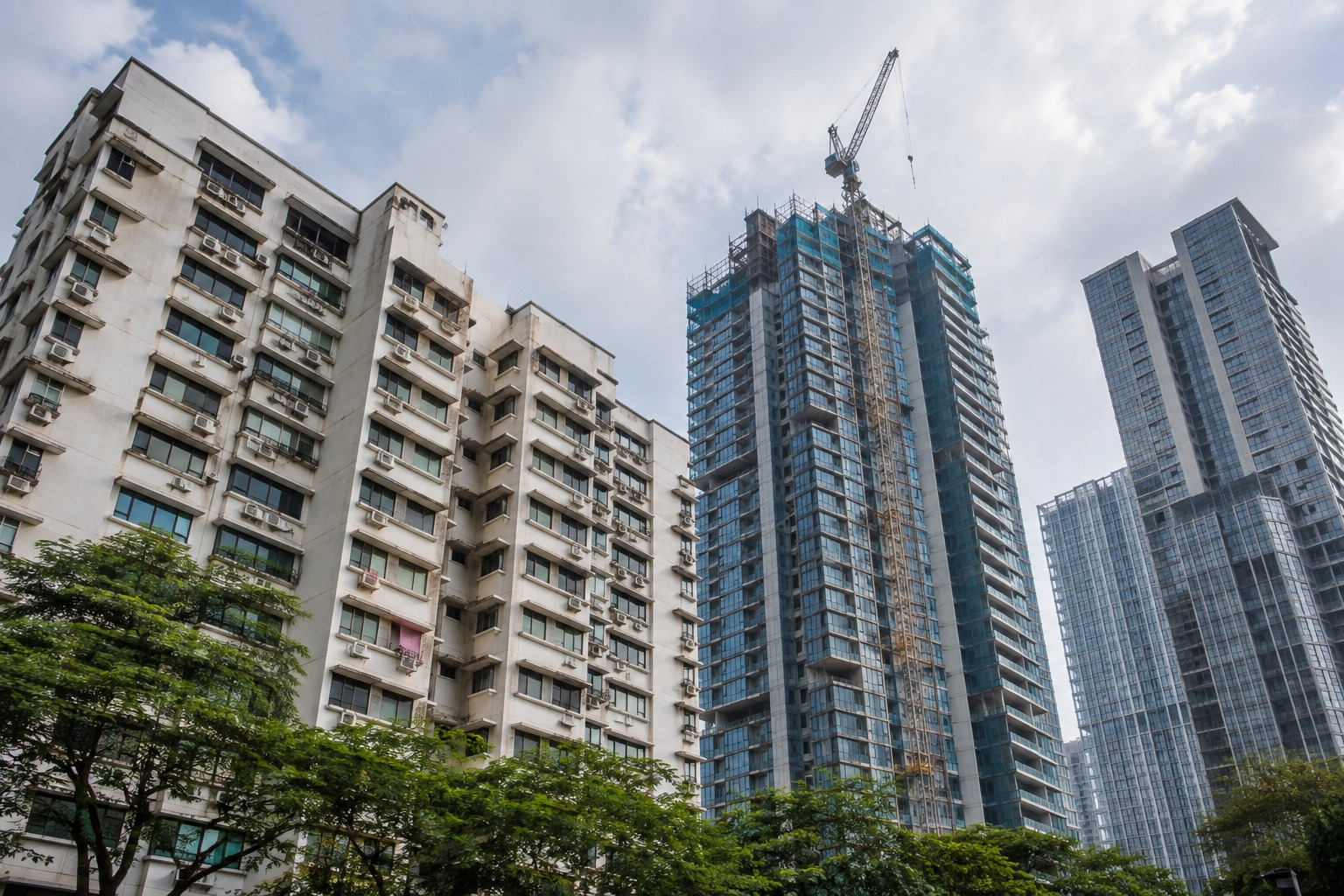
Singapore's new en bloc rules could make it easier for older condos to be sold and redeveloped. The government has proposed dropping the consent threshold from 80% to as low as 65%, depending on how old your building is. For instance, a condo built in 1975 would now only need 65% owner consent to proceed with a collective sale, instead of 80% required before. If you own a unit in a development built before the mid-1980s, this genuinely matters to you.
This isn't a small tweak either. It's the biggest change to Singapore's collective sale rules in years, and it comes with new protections for owners who don't want to sell too. So let's go through exactly what's changing, who it affects, and what you should actually do about it.
What Is En Bloc, and How Does It Actually Work?
En bloc, or collective sale, means every owner in a development sells their unit together, as one deal, to a single buyer, usually a developer. Once enough owners agree, the whole building gets torn down and rebuilt from scratch.
Each owner gets a payout based on their unit's share value, not a flat split. A bigger unit on a higher floor typically gets a larger share than a small unit on the ground level.
Have you ever wondered why some old condos suddenly become construction sites years later? This is usually how it happens.
What's Actually Changing
Singapore's New En Bloc Rules come from a single bill making its way through Parliament right now. Singapore's Ministry of Law tabled the Land Titles (Strata) (Amendment) Bill in Parliament on August 4, 2026. It proposes lowering the consent threshold needed for a collective sale, depending on the building's age.
The bill hasn't become law yet. It still needs to be debated and voted on in Parliament before anything changes for real.
Why the Government Is Changing This Now
Singapore's housing stock is aging, and that's the whole reason behind this change. About 20,000 private non-landed units are over 40 years old, compared with more than 360,000 units under 40.
Older buildings tend to carry heavier maintenance costs. Lifts, water pipes, electrical systems, all of it wears out eventually, and owners end up footing the bill through higher maintenance fees. Around 150 developments currently sit in the 40 to 59 year age band, with fewer than 10 buildings aged 60 or older.
And here's a detail worth noting: about 40% of these older developments sit in prime Districts 9, 10, and 11, which makes them especially attractive to developers given how limited new land is in those areas.
The New Consent Thresholds, Explained by Building Age
This is the core of the change. Here's exactly how the thresholds shift.
| Building Age | Old Threshold | New Threshold |
|---|---|---|
| Under 10 years | 90% | Unchanged at 90% |
| 10 to 39 years | 80% | Unchanged at 80% |
| 40 to 59 years | 80% | Drops to 70% |
| 60 years and older | 80% | Drops to 65% |
So if your building is under 40 years old, nothing changes for you. But if it's older than that, getting a collective sale approved just became noticeably easier.
What This Means If You're a Minority Owner
Lower thresholds sound like bad news if you're an owner who doesn't want to sell. But the bill also adds real protections, and this part rarely gets enough attention.
Calling a meeting to even start the process now requires support from at least 35% of owners, up from just 20 to 25%. That's a higher bar to clear before things even get moving.
Once a Collective Sale Committee forms, it only has 6 months to collect the required signatures, down from 12. If an attempt fails, the building enters a 3-year freeze period before anyone can try again, up from 2 years. And if a sale does go through despite your objection, the payout you're entitled to increases too, up to 0.5% of sale proceeds or $2,000, whichever is higher.
So while it's easier to start a collective sale, it's also harder to drag it out, and objecting owners get better protection than before.
Which Buildings Could Actually Be Affected
A few well-known developments illustrate exactly who this bill is aimed at. Pine Grove, a 660-unit development completed in 1984, could potentially be redeveloped into over 2,000 new homes. Braddell View, built in 1978 with 918 units, faces a similar story.
People's Park Complex is a particularly interesting case. Owners attempted a collective sale in 2018 for $1.3 billion, but couldn't secure the 80% consent needed at the time. Under the new 65% threshold, that same building might have a real shot this time around.
Not every old building will go this route, though. Pricing, developer appetite, and owner sentiment still matter more than the threshold alone.
The ABSD and HDB Wait-Out Changes That Came With This
This bill didn't arrive alone. Two related policy changes were announced on July 28, just before the bill was tabled, and together they tell a bigger story.
Developers taking on large collective sale sites now get longer to complete and sell their units before facing Additional Buyer's Stamp Duty penalties. Projects yielding 700 to 1,399 units get up to 6 years, up from 5.5, while those yielding 1,400 or more get up to 7 years.
Separately, the 15-month wait-out period for private homeowners looking to buy a non-subsidised HDB resale flat was removed entirely. Put together, these three changes point toward the same goal: making it easier for people to move between housing types, and easier for old buildings to get redeveloped.
What Happens If Your Building Is Mid-Collective-Sale Right Now
If your development is already in the middle of a collective sale attempt, the rules that apply depend on timing.
If the first signature on your collective sale agreement hasn't been collected yet, the new rules will apply once the bill passes. If it has already been collected, your building stays under the old framework, no change.
For committees currently gathering signatures, there's a middle option. They can choose to terminate the current agreement and restart under the new, lower threshold instead, with 7 months from the new rules taking effect to hit the new consent level.
Will This Trigger a New En Bloc Wave?
Singapore last saw a genuine en bloc boom in 2017 and 2018, with 28 deals worth $8.7 billion completed in 2017 alone, followed by another 38 deals worth $10.8 billion in the first half of 2018, before cooling measures brought things to a halt.
Industry views on whether history repeats are split. PropNex's CEO doesn't expect a frenzy this time, pointing to pricing discipline and developer caution as the real deciding factors, not just the lower threshold. ERA's CEO takes a slightly more optimistic view, calling this a potential turning point for the market, though even he stops short of predicting a boom.
Either way, more attempts seem likely. Whether they actually succeed will come down to the same old fundamentals: realistic pricing and genuine developer interest.
What Should You Actually Do as an Owner Right Now
If your building is over 40 years old, don't wait for a committee to form before you start paying attention.
- Check your building's age and which threshold it now falls under
- Understand your unit's share value, since that decides your eventual payout if a sale happens
- If you're supportive of a sale, know that reaching the 35% initiation threshold now matters more than ever
- If you're against a sale, understand your new protections, including the extended freeze period and higher payout cap
- Talk to someone who actually understands how these numbers play out in practice, not just the headline change
Waiting until a committee forms to start learning this is usually too late to influence the outcome. At Colin Choo Property, we're already fielding questions from owners in older developments who want to understand where they actually stand.
How an Experienced Property Agent in Singapore Helps
Rule changes like this sound simple in a news headline, but the real impact depends entirely on your specific building, your unit's share value, and where your development sits in the process.
At Colin Choo Property, Colin has spent 14 years watching how policy shifts like this actually play out on the ground, not just in theory. As an experienced property agent in Singapore, he can walk you through what your building's age and history actually mean under the new rules, whether you're hoping for a sale or hoping to avoid one.
If you're unsure where your development stands, or what your realistic payout might look like, that's exactly the kind of question worth asking before a committee forms, not after.
Final Thoughts
Singapore's new en bloc rules genuinely change the odds for older developments, but they're not a guarantee your building will be next. Knowing your building's age, your share value, and your rights either way puts you in a much better position than waiting to find out from a neighbour.
Want to understand what this actually means for your specific building? WhatsApp Colin Choo at Colin Choo Property for a straight, no-pressure conversation.
Free, No-Pressure Consultation
Find out where your building stands
No obligation. No pitch. Just an honest read on your development's age, share value, and options.
WhatsApp Colin ChooFAQs
1. What is the new en bloc consent threshold in Singapore?+
It drops to 70% for buildings aged 40 to 59 years, and 65% for buildings 60 years and older. Buildings under 40 years old keep their existing thresholds of 80% or 90%.
2. Has the new en bloc bill become law yet?+
Not yet. The Land Titles (Strata) (Amendment) Bill was tabled in Parliament on August 4, 2026, and still needs to be debated and voted on.
3. What protections do minority owners get under the new rules?+
A higher 35% threshold to start the process, a shorter 6-month signature collection window, a longer 3-year freeze period after a failed attempt, and a higher payout cap for objecting owners.
4. Does this affect my HDB flat?+
No, this bill applies to private strata developments. A related policy change did remove the 15-month wait-out period for private homeowners buying non-subsidised HDB resale flats, though.
5. Will this cause another en bloc boom like 2017 and 2018?+
Opinions differ. Some industry leaders expect more attempts but not a frenzy, since pricing and developer appetite still matter more than the threshold itself.
6. Why are Singapore's new en bloc rules being introduced now?+
The government wants to make it easier to redevelop Singapore's aging private housing stock. About 20,000 private non-landed units are already over 40 years old, and many face rising maintenance costs as they age further.
7. How do I confirm if my building qualifies under the new thresholds?+
Check your development's Temporary Occupation Permit or completion year, since that determines its age bracket. Your management committee or MCST office can confirm this, or you can check with a property agent familiar with your estate's history.